

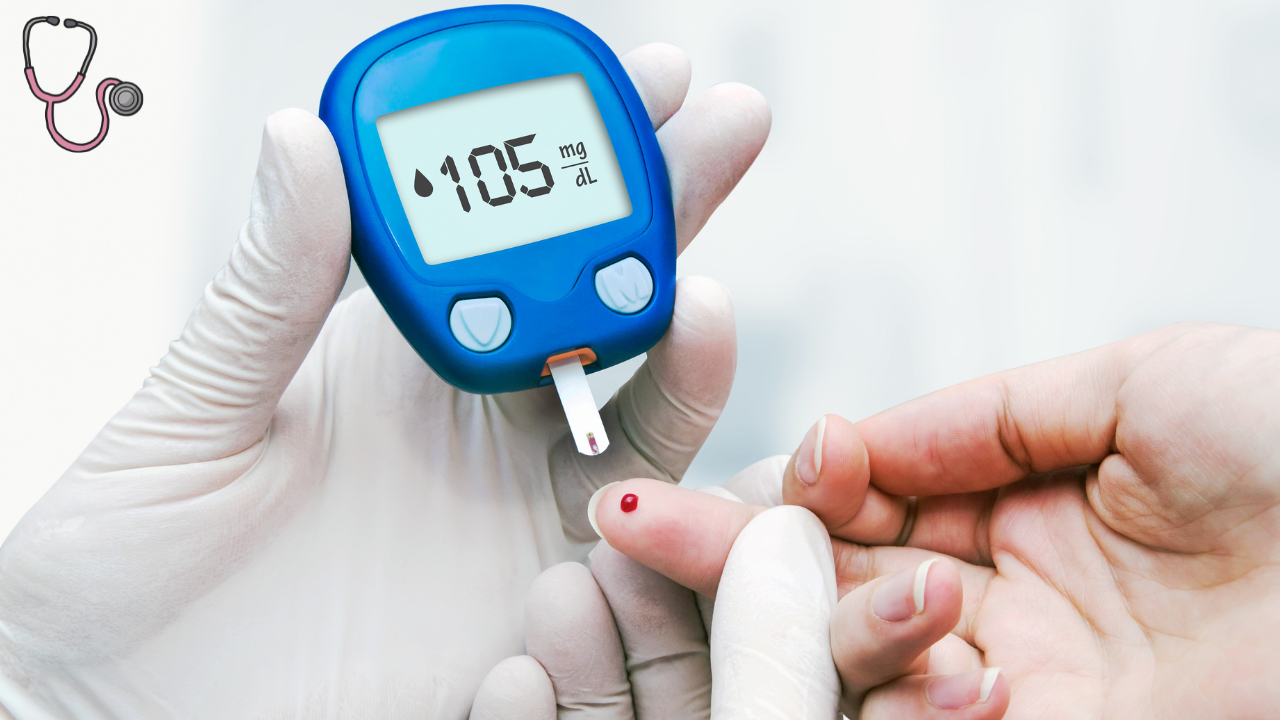
How to Manage Blood Sugar Naturally After 40
Metabolic Health · Ages 40+
How to Manage Blood Sugar Naturally After 40
Your body changes after 40 in ways that quietly nudge blood sugar upward. Here is what the science actually says — and the seven habits that move the needle most.
Medical disclaimer This article is for general education and does not replace personalized medical advice. It is not a diagnosis or treatment plan. Talk to your doctor before changing your diet, exercise, supplements, or any medication — especially if you take glucose-lowering drugs or insulin, where lifestyle changes can require dose adjustments to avoid hypoglycemia.
The short version
- Blood sugar reference ranges don’t change at 40 — but rising insulin resistance and shrinking muscle mass make it easier to drift toward prediabetes.
- The single most powerful lever is keeping muscle: skeletal muscle handles most of the glucose you absorb after a meal.
- Losing 5–7% of body weight plus 150 minutes of weekly activity cut diabetes risk by 58% in a landmark trial — and by 71% in adults over 60.
- Small, repeatable habits — a short walk after meals, fiber first, protecting sleep — each produce measurable changes in glucose.
In this guide
- Why 40 is a turning point
- Know your numbers
- 1. Build & keep muscle
- 2. Walk after meals
- 3. Eat fiber first
- 4. Lose 5–7% if needed
- 5. Protect your sleep
- 6. Defuse stress
- 7. Rethink the plate
- A realistic day
- When to see a doctor
- FAQ
- Sources
Why 40 is a quiet turning point
Here’s the part nobody tells you at your fortieth birthday: the rules don’t change, but the game gets harder. The blood sugar numbers a lab flags as “normal” are the same at 42 as they were at 22. What shifts is how easily your body holds those numbers.
Two things drive most of it. First, muscle. Skeletal muscle makes up roughly 40–50% of an adult’s lean body mass and is the main place glucose goes after you eat. Starting in your 30s and 40s, most people slowly lose muscle (a process called sarcopenia) unless they actively push back — and less muscle means less room to park the sugar from your last meal.9
Second, insulin resistance. As muscle declines and fat tends to accumulate — including inside the muscle itself — cells respond less briskly to insulin’s signal to absorb glucose. Researchers have shown this age-related resistance can begin even in people whose muscle mass still looks normal, which is why the drift is so easy to miss.10 Add the hormonal shifts of perimenopause and menopause, busier-but-less-active careers, and shorter sleep, and you have a recipe for numbers that creep up a few points a year.
The encouraging flip side: every one of those drivers is at least partly modifiable. You are not at the mercy of your age.
A reminder If you already have a diagnosis of diabetes or take medication for it, the strategies below are still relevant — but they work alongside your treatment, not instead of it. Coordinate any change with your care team.
Perhaps you’d like to see this? Gluco6 Review 2026: Does This Blood Sugar Supplement Actually Work?
Perhaps you’d like to see this? How to Lower Blood Sugar Naturally: 7 Proven Strategies That Work
Know your numbers (and what they mean)
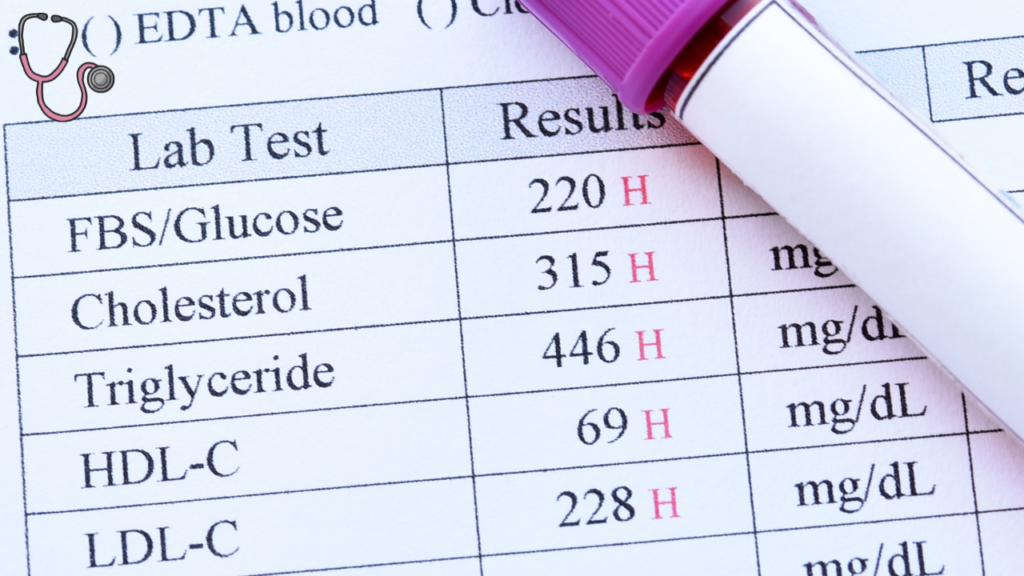
You can’t manage what you don’t measure. The three tests below, defined by the American Diabetes Association’s 2026 Standards of Care, are how clinicians sort normal from prediabetes from diabetes. Tap a test to see where the cutoffs fall.1
Where do the cutoffs fall?
American Diabetes Association diagnostic ranges. Interpret your own results with your clinician.Fasting glucoseA1C2-hour OGTT
Normal
Prediabetes
Diabetes
70–99 mg/dL100–125 mg/dL≥126 mg/dL
Measured after no food for at least 8 hours. (3.9–5.5 / 5.6–6.9 / ≥7.0 mmol/L)
Normal
Prediabetes
Diabetes
Below 5.7%5.7–6.4%≥6.5%
Reflects your average blood sugar over the past 2–3 months — no fasting needed.
Normal
Prediabetes
Diabetes
Below 140 mg/dL140–199 mg/dL≥200 mg/dL
Blood sugar two hours after a standardized 75g glucose drink. (Below 7.8 / 7.8–11.0 / ≥11.1 mmol/L)
The ADA recommends routine screening for most adults starting at age 35, repeated every three years if normal — sooner and more often if you carry extra weight, have a family history, or had gestational diabetes.2 If you’re over 40 and can’t remember your last A1C, that’s your first action item.
Perhaps you’d like to see this? Gluco6 vs Sugar Defender: Which Blood Sugar Supplement Is Right for You?
01
Build and keep muscle
If you do only one thing from this list, do this. Because muscle is where most post-meal glucose is disposed of, losing it tightens the bottleneck and gaining it widens the pipe. Studies consistently show that more muscle means greater glucose uptake and better insulin sensitivity — and that the age-related slide toward insulin resistance tracks closely with the loss of muscle and the buildup of fat inside it.911
Resistance training is the direct counter-move. It doesn’t require a gym membership or heavy barbells to start — bands, bodyweight squats, push-ups against a counter, and loaded carries all qualify.
Do this Aim for two to three short strength sessions a week, hitting the major muscle groups. Progress by adding a little resistance or a few reps every couple of weeks. Pair it with enough protein spread across the day to actually build what you train.
02
Take a short walk after meals
This is the highest-return, lowest-effort habit on the list. When you move soon after eating, contracting muscles pull glucose out of the bloodstream without needing as much insulin — flattening the spike before it climbs.
164
In a 2025 study, a 10-minute walk immediately after a glucose load held the peak blood sugar to about 164 mg/dL, versus about 182 mg/dL when sitting still. The short, well-timed walk beat a longer walk that started 30 minutes later.3
You don’t need a workout. Reviews of dozens of trials find that as little as 2 to 10 minutes of light walking after eating measurably lowers post-meal glucose — in people with and without diabetes alike.4 The timing matters more than the distance: the spike usually builds in the 60–90 minutes after a meal, so that’s the window to be on your feet.
Do this Attach a 10-minute walk to your largest meal of the day — usually dinner. Loop the block, pace the hallway, anything. Then expand to other meals once it’s automatic. For more, see our guide to low-impact exercise after 40.
03
Eat fiber first
Fiber — especially the soluble, viscous kind in oats, beans, lentils, barley, apples, and psyllium — slows how fast sugar enters your bloodstream and feeds gut bacteria that improve glucose handling. The effect is real enough to rival some medication in size.
~0.5%
Meta-analyses of randomized trials find that soluble fiber supplementation lowers HbA1c by roughly 0.5–0.6% on average in people with type 2 diabetes — a reduction researchers describe as clinically meaningful, comparable to some glucose-lowering drugs.56
Most adults fall well short of recommended intake — broadly around 25–30 grams a day. You don’t have to overhaul everything: starting a meal with the vegetables and protein, and saving the starch for last, blunts the same spike by changing the order food arrives.
Do this Build each meal around a fiber anchor — a cup of beans, a side of greens, a bowl of lentils. Add slowly and drink water, or the change can be uncomfortable. Browse our high-fiber food list to find easy swaps.
04
Lose 5–7% of body weight — if you carry extra
If you’re above a healthy weight, modest loss is one of the best-studied interventions in all of medicine. The U.S. Diabetes Prevention Program randomized over 3,000 adults with prediabetes (average age ~51) to either an intensive lifestyle program or placebo.
58%
Participants who lost 5–7% of body weight and did 150 minutes of activity weekly cut their risk of developing type 2 diabetes by 58% — and by 71% among those over 60. A decade later they were still about one-third less likely to have progressed.78
For someone weighing 200 lb (about 90 kg), that’s just 10–14 lb. Notice this isn’t about reaching a “goal weight” or a particular look — it’s about the first 5–7%, which delivers an outsized share of the metabolic benefit.
Do this If weight loss is appropriate for you, aim for the first 5–7% through changes you can sustain for years, not weeks. Slow and durable beats fast and fragile. Discuss a target with your clinician — this is not advice to restrict aggressively.
Please read Weight is one factor among many, and intentional weight loss isn’t right for everyone. If you have a history of disordered eating, are underweight, or are unsure, work with a doctor or registered dietitian rather than self-prescribing a diet.
05
Protect your sleep
Sleep is the lever people most often dismiss — and the one with some of the cleanest experimental evidence. Short sleep raises stress hormones, disrupts appetite signals, and directly dents insulin sensitivity.
When healthy men were restricted to short sleep for a week, their insulin sensitivity dropped measurably.12 A 2024 randomized trial went further: cutting women’s sleep by just 90 minutes a night for six weeks impaired insulin sensitivity independent of any weight change — and the effect was more pronounced after menopause.13 Pooled studies link habitually short sleep (5–6 hours) to a meaningfully higher risk of developing type 2 diabetes.14
Do this Treat 7–9 hours as a metabolic intervention, not a luxury. A consistent wind-down time, a dark cool room, and a hard limit on late screens move the needle more than most supplements. If you snore heavily or wake unrefreshed, ask about sleep apnea screening.
06
Defuse chronic stress
Stress hormones like cortisol tell the liver to release glucose — useful if you’re sprinting from danger, less useful at your desk for the tenth straight hour. Chronic stress keeps that signal switched on, nudging fasting glucose upward and undermining the other habits by wrecking sleep and willpower.
You don’t need a meditation retreat. Brief daily decompression — a walk without your phone, paced breathing, time outdoors, genuine social connection — lowers the physiological load. The point is consistency, not perfection.
Do this Pick one five-minute practice you’ll actually repeat daily, and anchor it to something you already do (after morning coffee, before bed). Small and consistent beats ambitious and abandoned.
07
Rethink the plate, not just the calories
What’s on your plate and in what proportion matters as much as the total. A practical, well-supported template: fill half the plate with non-starchy vegetables, a quarter with protein, and a quarter with smart carbohydrates — whole grains, legumes, or fruit rather than refined starch and sugar.
This isn’t about banning carbohydrates. It’s about pairing them — with protein, fat, and fiber — so the same food produces a gentler rise. Liquid sugar (soda, juice, sweetened coffee) is the one category worth treating as a genuine outlier, because it hits the bloodstream fast and brings no fiber to slow it.
Do this Before each meal, glance at the plate: is there a vegetable, a protein, and a fiber source? If two of three are missing, that’s the spike you’ll feel later.
Perhaps you’d like to see this? How Sleep Affects Blood Sugar: The Hidden Connection Most People Miss
What this looks like in real life
“The change that finally stuck for me wasn’t dramatic. After my A1C came back at 5.9% at 44, I didn’t overhaul my life — I just started walking the dog for ten minutes after dinner instead of sitting down, and I put beans or lentils into lunch most days. Six months later my fasting glucose had come down into the normal range. The habits were almost boring. That, I think, is exactly why they lasted.”
EDITOR’S NOTE — Replace this placeholder with a genuine first-person account (yours or a named, consenting patient/reader). Authentic, verifiable experience is what builds real E-E-A-T; do not publish a fabricated story. Remove this note before going live.
A realistic day, stitched together
None of these levers works in isolation, and you don’t adopt them all at once. Here’s how they fit a single ordinary day — not as a rigid prescription, but to show the shape of it:
Morning: a protein-and-fiber breakfast (eggs and oats, or Greek yogurt with berries) instead of a pastry and juice. Midday: a lunch built on a fiber anchor, followed by a brief walk. Afternoon: a five-minute breathing reset between meetings. Evening: two strength exercises while dinner cooks, vegetables and protein before the starch, and that ten-minute post-dinner walk. Night: screens off, lights down, a consistent bedtime. Pick one or two of these to start. Stack the rest only once they’re automatic.
When to stop reading and call a doctor
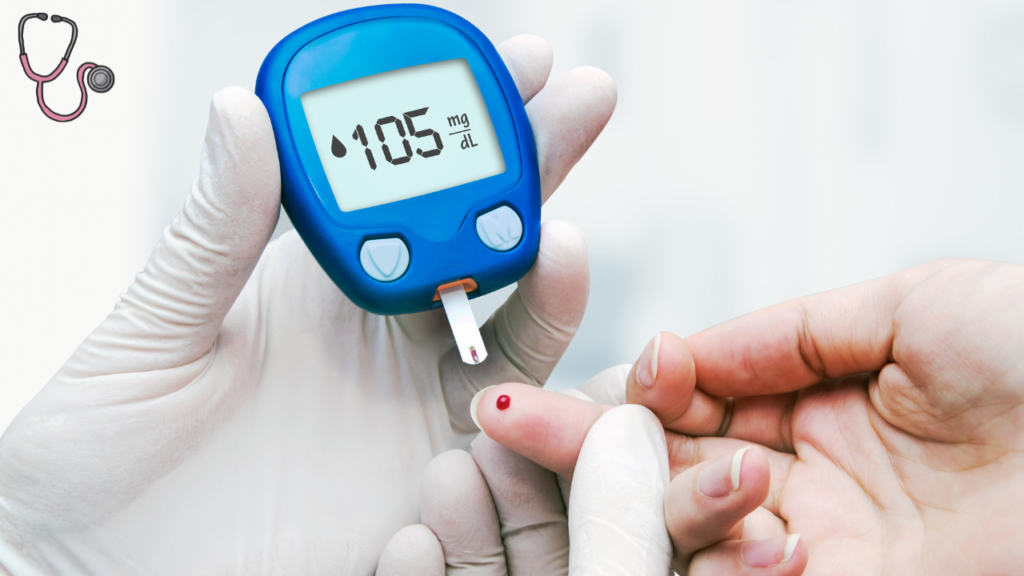
Lifestyle is powerful, but it has limits, and some situations need professional care now — not after another month of habit-building. Contact a clinician promptly if you experience excessive thirst, frequent urination, unexplained weight loss, blurry vision, persistent fatigue, or slow-healing wounds, which can signal high blood sugar. Seek urgent care for symptoms of dangerously low blood sugar (shakiness, confusion, sweating, fainting), especially if you take glucose-lowering medication or insulin.
Medical disclaimer Everything above is general information, not a substitute for individualized care. Your numbers, medications, and history are unique. Always confirm any change with your own healthcare provider before acting on it.
Frequently asked questions
What is a normal blood sugar level after 40?
The ranges don’t change with age. For most adults, a normal fasting glucose is 70–99 mg/dL (3.9–5.5 mmol/L) and a normal A1C is below 5.7%. What changes after 40 is that it gets easier to drift upward, so the same target takes more active effort to hold. Always interpret your results with your clinician. Can you reverse prediabetes naturally after 40?
Many people can return prediabetes to a normal range with lifestyle change. In the Diabetes Prevention Program, losing 5–7% of body weight plus 150 minutes of weekly activity cut the risk of progressing to type 2 diabetes by 58% — and by 71% in adults over 60. It’s not guaranteed for everyone, and it should be done with medical guidance. Does walking after meals really lower blood sugar?
Yes. A 2025 study found that a 10-minute walk right after a glucose load held the peak to about 164 mg/dL versus about 182 mg/dL while sitting. Even 2–10 minutes of light walking after eating helps flatten the post-meal rise, in people with and without diabetes. How much fiber should I eat to help blood sugar?
Most adults benefit from aiming toward roughly 25–30 grams of fiber daily, ideally including soluble fiber from oats, beans, lentils, and psyllium. In trials, soluble fiber lowered HbA1c by about 0.5–0.6%. Increase intake gradually and drink plenty of water to avoid digestive discomfort. Is strength training or cardio better for blood sugar?
Both help, and the best plan usually combines them. Strength training matters especially after 40 because it preserves the muscle that disposes of most post-meal glucose, while walking and other aerobic activity lower glucose acutely. If you’re choosing where to start, don’t skip resistance training.
About the author
A
[Your Author Name], [Credentials] [One or two sentences on the author’s relevant qualifications and experience — e.g., years in metabolic health, professional background. Real, verifiable credentials are central to E-E-A-T. Add a link to a full author bio page.] Medically reviewed by [Reviewer Name, MD].
Sources
- American Diabetes Association. Diagnosis and Classification of Diabetes: Standards of Care in Diabetes—2026. Diabetes Care. diabetesjournals.org
- American Diabetes Association. Diagnosis & Tests. diabetes.org/about-diabetes/diagnosis
- Positive impact of a 10-min walk immediately after glucose intake on postprandial glucose levels. Scientific Reports (2025). nature.com
- The Effects of Postprandial Walking on the Glucose Response after Meals. Nutrients / PMC. ncbi.nlm.nih.gov
- Effects of soluble fiber supplementation on glycemic control in adults with type 2 diabetes: systematic review and meta-analysis. Clinical Nutrition (2020). clinicalnutritionjournal.com
- The Effects of Soluble Dietary Fibers on Glycemic Response. Foods (2022). mdpi.com
- Reduction in the Incidence of Type 2 Diabetes with Lifestyle Intervention or Metformin (Diabetes Prevention Program). New England Journal of Medicine. nejm.org
- CDC. What Is the National DPP? / NIDDK. Diabetes Prevention Program (DPP). cdc.gov · niddk.nih.gov
- Mechanism of increased risk of insulin resistance in aging skeletal muscle. Diabetology & Metabolic Syndrome (2020). dmsjournal.biomedcentral.com
- Insulin resistance and sarcopenia: mechanistic links. Journal of Endocrinology (2016). joe.bioscientifica.com
- Causal relationship between insulin resistance and sarcopenia. Diabetology & Metabolic Syndrome (2023). dmsjournal.biomedcentral.com
- Buxton OM, et al. Sleep Restriction for 1 Week Reduces Insulin Sensitivity in Healthy Men. Diabetes (2010). diabetesjournals.org
- Chronic Insufficient Sleep in Women Impairs Insulin Sensitivity Independent of Adiposity: A Randomized Trial. Diabetes Care (2024). diabetesjournals.org
- Sleep Duration and Diabetes Risk: Population Trends and Potential Mechanisms. PMC. ncbi.nlm.nih.gov
Related reading on this site: Understanding your A1C results · Strength training at home for beginners · The glycemic index, explained simply.
Published & last reviewed: June 16, 2026
Full medical disclaimer: The content on this page is provided for general informational and educational purposes only and is not intended as, and shall not be understood or construed as, medical advice, diagnosis, or treatment. It does not replace consultation with a qualified healthcare professional who knows your personal medical history. Never disregard professional medical advice or delay seeking it because of something you read here. Do not start, stop, or change any medication, diet, supplement, or exercise program without consulting your physician — particularly if you take insulin or other glucose-lowering medication. Reliance on any information in this article is solely at your own risk.
Perhaps you’d like to see this? Warning Signs of High Blood Sugar Most People Ignore
10 thoughts on “How to Manage Blood Sugar Naturally After 40”