

Enlarged Prostate (BPH): Symptoms to Watch – The Complete Guide for Men Over 40
Enlarged Prostate (BPH): Symptoms to Watch

Medical Disclaimer: This article is for educational purposes only and does not replace professional medical advice, diagnosis, or treatment. Always consult a qualified healthcare provider regarding urinary symptoms or prostate concerns.
Introduction
Imagine waking up three or four times every night just to use the bathroom.
At first, it seems like a minor inconvenience. Then the urine stream becomes weaker. It takes longer to empty your bladder, and suddenly road trips, meetings, and even sleeping through the night become difficult.
For millions of men, these are the first signs of Benign Prostatic Hyperplasia (BPH)—commonly known as an enlarged prostate.
The good news?

BPH is not cancer, and many men successfully manage their symptoms with lifestyle changes, medications, or minimally invasive procedures when diagnosed early.
In this comprehensive guide, you’ll discover:
- What causes an enlarged prostate
- The early symptoms you should never ignore
- When symptoms become dangerous
- Proven treatments
- Prevention strategies backed by research
- Natural approaches that may help support prostate health
Throughout this article, remember:
This information is educational only and does not substitute medical evaluation or treatment.
What Is Benign Prostatic Hyperplasia (BPH)?

The prostate is a walnut-sized gland located below the bladder and surrounding the urethra—the tube that carries urine out of the body.
As men age, the prostate often grows larger.
When this growth is non-cancerous, it is called Benign Prostatic Hyperplasia (BPH).
Because the prostate surrounds the urethra, enlargement can squeeze the urinary channel, making it increasingly difficult for urine to pass.
According to the National Institute of Diabetes and Digestive and Kidney Diseases (NIDDK):
- Around 50% of men aged 51–60 have BPH.
- Approximately 70% of men in their 60s are affected.
- Up to 80–90% of men over age 80 develop some degree of prostate enlargement.
Although common, BPH is not considered a normal part of aging that should simply be ignored.
Medical Disclaimer: Persistent urinary symptoms should always be evaluated by a healthcare professional.

Why Does the Prostate Enlarge?
Researchers still don’t know every detail, but several factors contribute.
1. Aging
The strongest risk factor.
As testosterone changes over time, hormonal balance shifts, allowing prostate tissue to gradually enlarge.
2. Dihydrotestosterone (DHT)
DHT is a powerful form of testosterone that stimulates prostate growth.
Over decades, continued exposure may contribute to enlargement.
3. Genetics
If your father or brother had BPH, your risk increases significantly.
4. Obesity
Research suggests excess abdominal fat increases inflammation and hormonal imbalance.
Men with obesity may experience:
- Earlier symptoms
- More severe urinary problems
- Faster progression

5. Diabetes and Metabolic Syndrome
Studies have found associations between insulin resistance and prostate enlargement.
Managing blood sugar may indirectly support urinary health.
Early Enlarged Prostate Symptoms

Symptoms often develop slowly.
Many men don’t notice the progression until it significantly affects quality of life.
Common symptoms include:
Frequent Urination
Especially every 1–2 hours.
Waking Up at Night (Nocturia)
Getting up:
- once
- twice
- three or more times
can seriously impact sleep quality.
Weak Urine Stream
Instead of a strong flow, urine may trickle or stop and start.
Difficulty Starting Urination
You may stand at the toilet waiting several seconds before urine begins.
Feeling the Bladder Isn’t Empty
Even after urinating, it still feels like urine remains.
Sudden Urgency
The need to urinate becomes intense and immediate.
Dribbling
Urine leakage after finishing is another common symptom.

Symptoms That Require Immediate Medical Attention
Although BPH itself isn’t usually dangerous, complications can become serious.
Seek emergency care if you experience:
- Complete inability to urinate
- Blood in urine
- Fever with urinary symptoms
- Severe lower abdominal pain
- Signs of kidney problems
These may indicate infection, urinary retention, bladder damage, or other conditions requiring prompt treatment.
Medical Disclaimer: Sudden urinary retention is a medical emergency and should be evaluated immediately.

Can BPH Become Prostate Cancer?
One of the biggest myths is that BPH turns into prostate cancer.
Current evidence shows:
No.
BPH is not cancer and does not become cancer.
However:
A man can have both BPH and prostate cancer simultaneously.
That’s why routine screening remains important.

How Doctors Diagnose Enlarged Prostate
Evaluation often includes:
- Medical history
- Symptom questionnaire (IPSS)
- Physical examination
- Digital rectal exam (DRE)
- Urinalysis
- PSA blood test (when appropriate)
- Ultrasound (in selected cases)
- Uroflowmetry
- Post-void residual urine measurement
Diagnosis should always be individualized.
Treatment Options

Treatment depends on symptom severity.
Watchful Waiting
Mild symptoms may only require monitoring.
Lifestyle Changes
Evidence suggests benefits from:
- Losing excess weight
- Regular exercise
- Reducing evening fluids
- Limiting alcohol
- Limiting caffeine
- Avoiding delaying urination
Medications
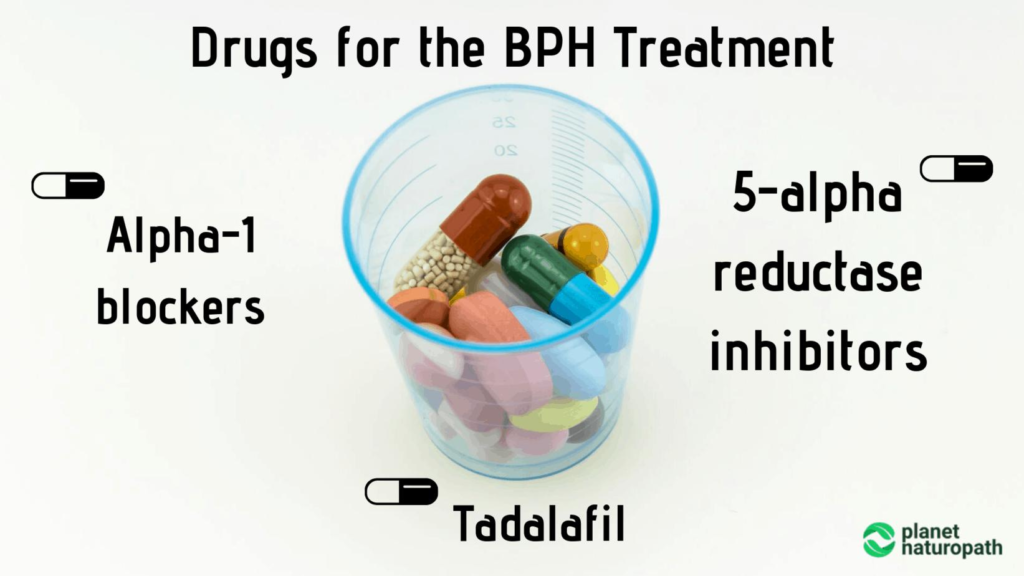
Doctors may prescribe:
Alpha-blockers
Relax prostate muscles.
Examples include:
- Tamsulosin
- Alfuzosin
5-Alpha Reductase Inhibitors
These medications gradually shrink the prostate.
Examples:
- Finasteride
- Dutasteride
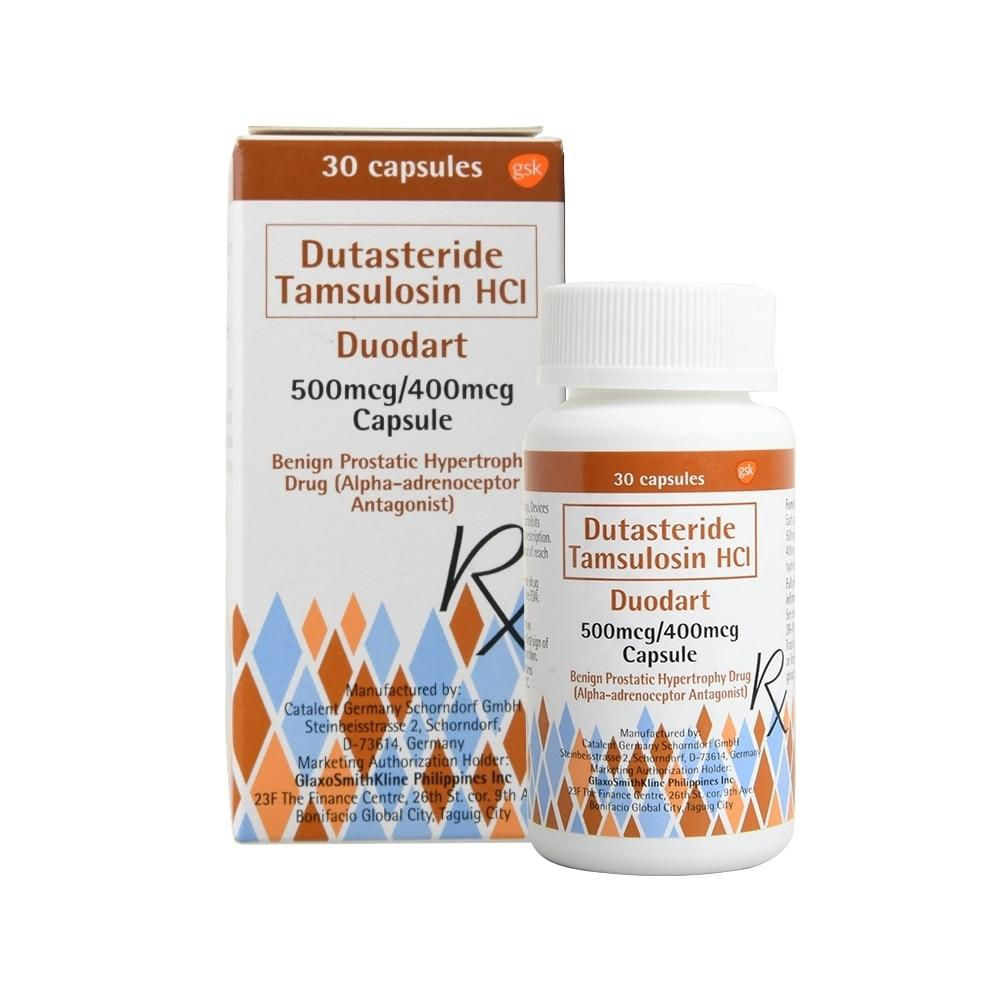
Combination Therapy
Some patients benefit from using both medication classes.
Minimally Invasive Procedures
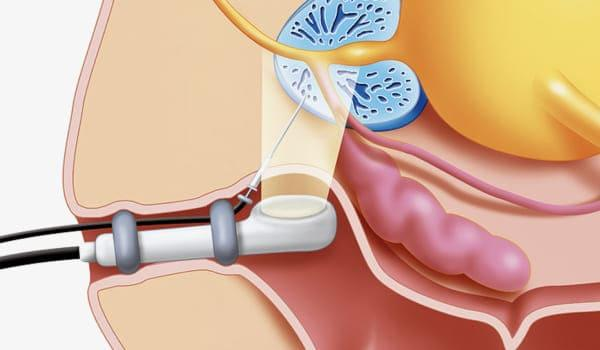
When medication isn’t sufficient, options include:
- Rezūm therapy
- UroLift
- Laser procedures
Surgery
For severe cases:
- TURP (Transurethral Resection of the Prostate)
- HoLEP
- Robotic procedures (selected patients)
Can Diet Help?
Although diet cannot cure BPH, several habits may support overall prostate health.
Research suggests benefits from:
- Tomatoes (lycopene)
- Salmon
- Walnuts
- Pumpkin seeds
- Green vegetables
- Olive oil
- Berries
Reducing processed foods may also help decrease inflammation.
Natural Supplements: Do They Work?
Many supplements are marketed for prostate health, but evidence varies.
Ingredients that have been studied include:
- Saw Palmetto
- Beta-sitosterol
- Pygeum africanum
- Rye grass pollen extract
- Pumpkin seed extract
Some men report symptom relief, but results are inconsistent across studies.
Always discuss supplements with your healthcare provider, especially if you take prescription medications.
Medical Disclaimer: Natural products are not risk-free and should not replace medical evaluation or prescribed treatment.
How to Reduce Your Risk
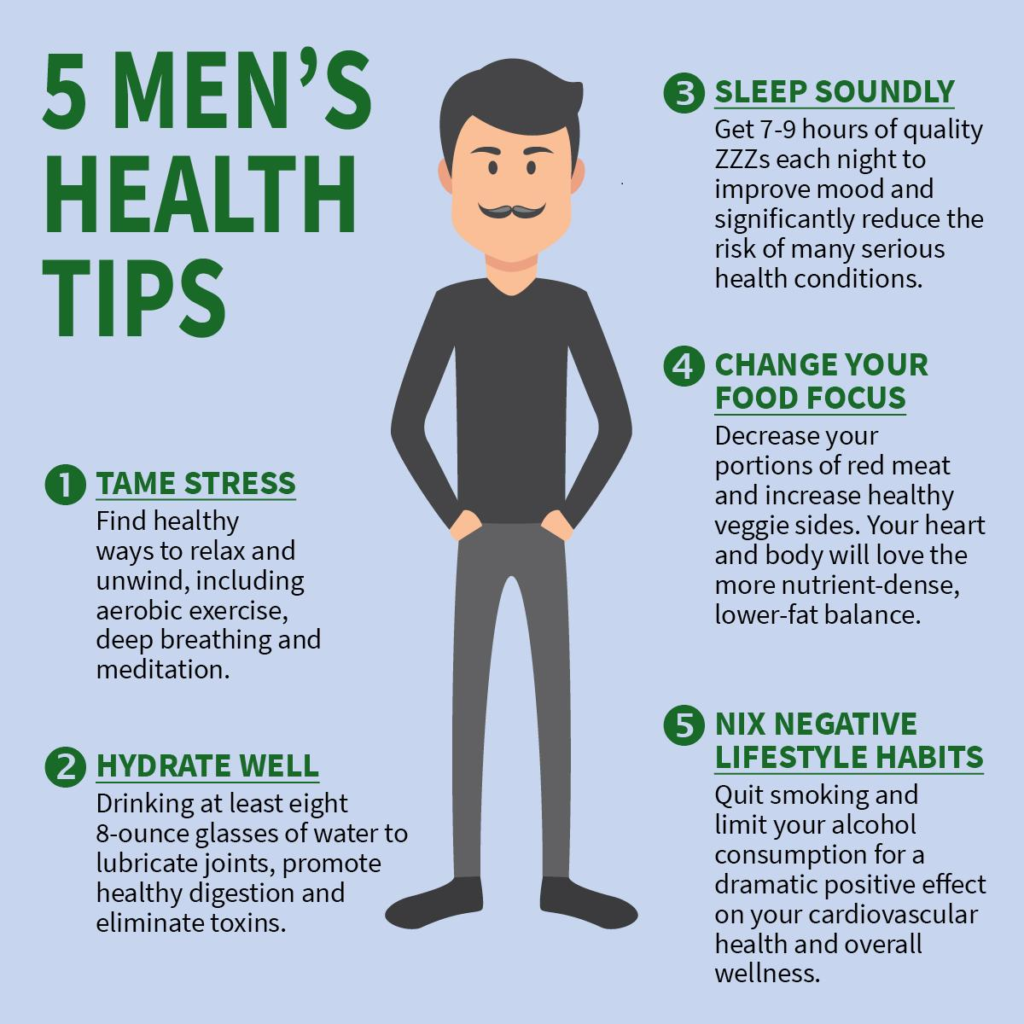
Simple habits may help maintain prostate health:
- Exercise at least 150 minutes per week
- Maintain a healthy weight
- Control diabetes and blood pressure
- Eat a Mediterranean-style diet
- Stay hydrated
- Avoid smoking
- Limit excessive alcohol intake
- Schedule routine medical checkups after age 50 (or earlier if you have risk factors)
Frequently Asked Questions (FAQ)
What age does BPH usually start?
Microscopic changes may begin in the 40s, but symptoms commonly appear after age 50.
Can BPH go away on its own?
Typically, no. Symptoms may fluctuate, but prostate enlargement usually progresses slowly over time.
Is surgery always necessary?
No. Most men begin with lifestyle changes or medication, and only a minority require surgery.
Does frequent urination always mean BPH?
No. Urinary symptoms can also result from urinary tract infections, diabetes, bladder disorders, neurological conditions, or prostate cancer. A healthcare provider should determine the cause.
Related Articles
Continue learning about prostate health with these in-depth guides:
- Prostate Health After 50: The Complete Guide
https://primeofferhubb.com/prostate-health-after-50-the-complete-guide/ - Prostate Health After 50: The Complete Guide (Part 2)
https://primeofferhubb.com/prostate-health-after-50-the-complete-guide-2/ - Prosta Peak: The Complete Guide to Natural Prostate Support in 2026
https://primeofferhubb.com/prosta-peak-complete-guide/ - Best Prostate Supplements in 2026: Ingredients That Actually Work
https://primeofferhubb.com/best-prostate-supplements-2026/
References
The following organizations and scientific resources provide reliable information on BPH and prostate health:
- National Institute of Diabetes and Digestive and Kidney Diseases (NIDDK)
- American Urological Association (AUA)
- European Association of Urology (EAU)
- U.S. National Library of Medicine (PubMed)
- National Institutes of Health (NIH)
- American Cancer Society
- Harvard Health Publishing
Final Thoughts
Benign Prostatic Hyperplasia affects millions of men worldwide, particularly as they age. While it is a common condition, it should never be dismissed as “just getting older.”
Recognizing early symptoms—such as frequent urination, weak urine flow, and nighttime bathroom visits—can lead to earlier diagnosis and more effective treatment. With appropriate lifestyle changes, medical care, and ongoing monitoring, most men are able to manage BPH successfully and maintain an excellent quality of life.
Final Medical Disclaimer: This article is intended for informational and educational purposes only. It does not replace medical advice, diagnosis, or treatment. If you have urinary symptoms or concerns about your prostate, consult a qualified healthcare professional for a personalized evaluation.