

Natural Ways to Protect Your Eyesight as You Age: What Actually Works
Most people treat their eyes the way they treat their hearing — they don’t think about protecting them until something noticeably changes. By then, some of the damage is already done. The good news is that age-related vision decline is far more preventable than most people realize, and the strategies that matter most aren’t complicated.
1. Manage Your Screen Time and Blue Light Exposure
Digital eye strain is now one of the most common vision complaints in adults — characterized by tired eyes, blurry vision after screen use, dry eyes, and headaches. The cause is a combination of reduced blink rate during screen use (we blink about 50% less when looking at screens), increased blue light exposure, and the sustained near-focus effort that strains the ciliary muscles.
The 20-20-20 rule is evidence-based and worth following: every 20 minutes, look at something 20 feet away for 20 seconds. Blue light filtering glasses reduce short-wavelength light exposure that may contribute to retinal stress with chronic, high-intensity use.
2. Eat for Your Eyes — The Specific Nutrients That Matter
The AREDS2 trial established with high certainty that lutein and zeaxanthin, vitamins C and E, zinc, and omega-3 DHA all play measurable roles in protecting against AMD progression. Getting adequate amounts of these from diet alone requires consistent consumption of dark leafy greens (kale, spinach, collards for lutein/zeaxanthin), oily fish (for DHA), citrus and bell peppers (vitamin C), nuts and seeds (vitamin E), and shellfish (zinc).
For those who can’t reliably maintain these dietary patterns, targeted supplementation fills the gap. VisiFlora is formulated around these specific AREDS2-aligned nutrients for daily convenience.
3. Wear UV-Protective Sunglasses — Consistently
UV radiation accelerates cataract formation and contributes to macular degeneration. Cumulative lifetime UV exposure is a significant risk factor for both conditions. Sunglasses that block 99–100% of UVA and UVB, worn whenever outdoors in daylight (not just in summer or at the beach), provide meaningful long-term protection. Wrap-around styles are most effective.
4. Control Blood Sugar and Blood Pressure
Diabetic retinopathy is the leading cause of blindness in working-age adults. Hypertensive retinopathy (retinal damage from high blood pressure) is another major preventable cause of vision loss. Both conditions damage the delicate blood vessels supplying the retina. Managing blood sugar within normal range and keeping blood pressure well-controlled are two of the highest-impact things you can do for long-term vision.
5. Stop Smoking
Smoking is the single most modifiable risk factor for age-related macular degeneration. Smokers are 3–4 times more likely to develop AMD than non-smokers. The oxidative and vascular damage from smoking hits the retina hard. If you smoke, quitting is the highest-impact vision preservation step you can take — more impactful than any supplement.
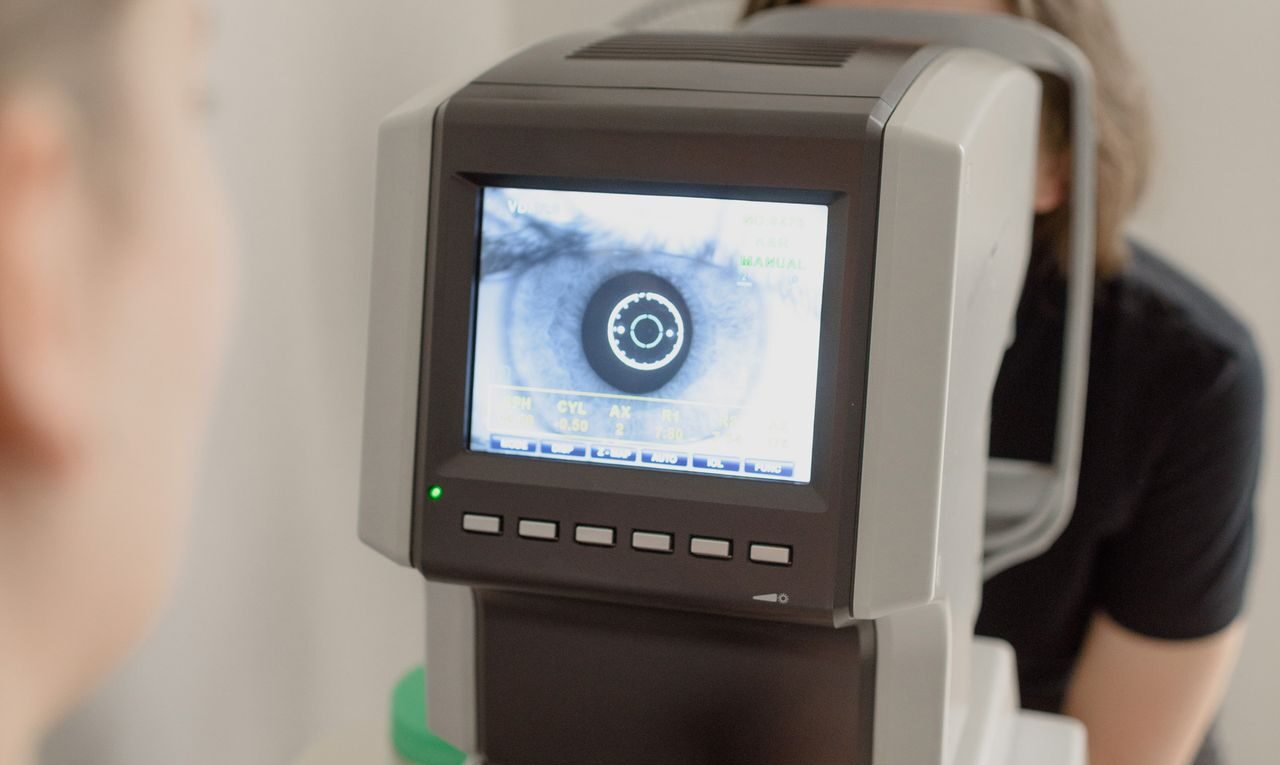
6. Get Annual Eye Exams
Many serious eye conditions — glaucoma, macular degeneration, diabetic retinopathy — are asymptomatic in their early stages. A dilated eye exam can detect these conditions before symptoms appear, when treatment options are most effective. After 50, annual exams are important even if you have no complaints.
7. Stay Physically Active
Regular aerobic exercise reduces intraocular pressure (relevant to glaucoma prevention) and improves retinal blood flow. Multiple studies have found that physically active adults have significantly lower risk of AMD and glaucoma compared to sedentary peers. Even 30 minutes of walking five days a week shows measurable eye health benefits.
8. Address Dry Eyes Proactively
Chronic dry eyes aren’t just uncomfortable — they cause micro-abrasions to the corneal surface with every blink, contribute to visual instability, and increase inflammation on the ocular surface. Omega-3 supplementation, proper hydration, humidifiers, and preservative-free artificial tears address the root causes rather than just the symptoms.
9. Consider a Targeted Eye Health Supplement
A supplement that combines lutein/zeaxanthin (AREDS2-validated), astaxanthin, bilberry, and omega-3 DHA provides a comprehensive nutritional safety net that’s difficult to achieve consistently through diet alone. VisiFlora targets exactly these mechanisms — read our full VisiFlora review here.
Frequently Asked Questions
At what age should I start protecting my eyes?
UV protection and a nutrient-rich diet matter from early adulthood. Targeted supplementation and annual eye exams become particularly important after 40.
Can vision loss from aging be reversed?
Most age-related vision loss (AMD, cataracts, glaucoma) is not fully reversible once established. The goal of protective strategies is to slow progression and preserve function — which is why starting early matters.
What foods are best for eye health?
Dark leafy greens (kale, spinach) for lutein/zeaxanthin; oily fish (salmon, sardines) for DHA; orange and yellow vegetables for beta-carotene; citrus and bell peppers for vitamin C; eggs for highly bioavailable lutein and zeaxanthin.