

How to Prevent Toenail Fungus from Coming Back: 9 Habits That Actually Work
Successfully treating toenail fungus is one challenge. Keeping it from coming back is another — and for many people, the harder one. Recurrence rates for toenail fungal infections (onychomycosis) after treatment are estimated at 20–50%, largely because the environments and habits that caused the first infection often haven’t changed.
This guide covers the 9 most effective habits and strategies to prevent toenail fungus from developing in the first place — or from returning after you’ve cleared it.
Why Toenail Fungus Keeps Coming Back
Understanding the mechanics of recurrence helps make prevention concrete. Fungal spores from the original infection persist in:
- Shoes and socks worn during the active infection
- Bathroom floors, shower stalls, and bath mats
- Gym locker rooms and pool surrounds
- The nail bed itself (even after apparent clearance, residual spores can regerminate)
Reinfection from environmental sources is just as common as recurrence from incompletely treated infection. Both require addressing simultaneously.
9 Habits That Prevent Toenail Fungus from Coming Back
1. Replace Shoes and Rotate Footwear
Shoes worn during an active fungal infection are almost certainly colonized with spores. Continuing to wear them after treatment is a major recurrence risk. Antifungal shoe powder or UV shoe sanitizers can help decontaminate existing footwear. Ideally, replace shoes that were heavily used during an active infection.
Rotating between two or more pairs of shoes gives each pair 24–48 hours to completely dry between wearings. Fungus requires moisture — dry shoes don’t harbor fungal growth the way damp ones do.
2. Choose Moisture-Wicking Socks and Breathable Shoes
Cotton socks retain moisture against the skin. Wool (merino) or synthetic moisture-wicking fabrics keep feet significantly drier. Natural-fiber or mesh upper shoes allow airflow that reduces the warm, moist environment fungi need to thrive. If your feet sweat heavily, changing socks midday dramatically reduces the total moisture exposure.
3. Dry Feet Thoroughly — Especially Between Toes
The spaces between toes are the most commonly neglected area of foot drying — and the most vulnerable to fungal colonization. Dry these spaces completely after every shower. A hairdryer on a low setting can ensure complete drying, particularly for people with athlete’s foot history.
4. Use Antifungal Powder in Shoes and on Feet
Daily application of antifungal or moisture-absorbing powder (containing ingredients like miconazole, tolnaftate, or simply talc-free foot powder) to feet and inside shoes creates a hostile environment for fungal growth. This is particularly important during high-risk activities (gym, pool use, summer heat).
5. Never Walk Barefoot in High-Risk Areas
Public showers, gym locker rooms, pool areas, and communal changing rooms are fungal transmission hotspots. Wearing flip-flops or shower shoes in these environments eliminates the primary exposure route for external reinfection. This applies even if you currently have no visible infection.
6. Keep Nails Trimmed Short and Filed Smooth
Long nails create space under the nail plate where debris and moisture accumulate — ideal fungal habitat. Trimming nails short (straight across, not curved at the edges to avoid ingrown nails) reduces this space. Filing smooth any rough nail edges removes micro-fractures where fungi can gain entry. Trim nails after a shower when they’re softer and less likely to split.
7. Disinfect Nail Tools
Nail clippers, files, and buffers can harbor and transmit fungal spores. Sterilize metal tools by soaking in rubbing alcohol (70% isopropyl) for 10 minutes after each use. Replace disposable files after use on a formerly infected nail. This is particularly important in nail salon settings — always bring your own tools or confirm sterilization protocols.
8. Treat Athlete’s Foot Promptly and Completely
Athlete’s foot (tinea pedis) and toenail fungus are caused by the same dermatophyte organisms and frequently co-occur. Athlete’s foot provides a reservoir of fungus that can spread to and reinfect the nails. Treating athlete’s foot fully — including maintaining antifungal habits after symptoms resolve — reduces nail fungus recurrence risk significantly. Our article on athlete’s foot vs. toenail fungus covers this connection in detail.
9. Continue Maintenance Treatment After Clearing the Infection
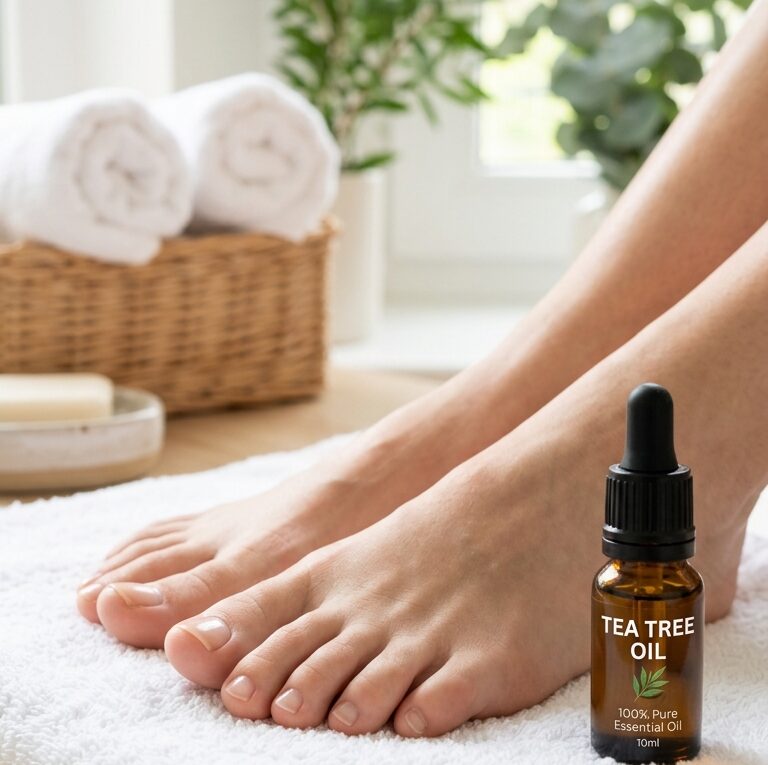
For people with recurrent nail fungus, continuing a diluted maintenance application of antifungal treatment (tea tree oil, antifungal nail polish, or topical lacquer) 2–3 times per week after clearance provides ongoing protection without the continuous twice-daily application burden of active treatment.
Diet and Immune Function in Fungal Prevention
Fungal infections are opportunistic — they’re more likely to establish themselves and recur in people with compromised immune function. Factors that support immune resistance to dermatophytes include:
- Controlling blood sugar: Diabetes is one of the strongest risk factors for recurrent nail fungus. Elevated glucose impairs immune cell function and provides a nutrient-rich environment for fungal growth. The dietary strategies in our blood sugar diet guide are directly relevant for prevention.
- Adequate zinc: Zinc deficiency impairs neutrophil and natural killer cell function, reducing antifungal immune defense
- Probiotic support: Maintaining a healthy gut microbiome competes with fungal overgrowth systemically
Frequently Asked Questions
How do I know if toenail fungus is fully gone?
True clearance requires a nail that is fully normal in color, texture, and thickness from base to tip. A nail that looks better at the base but still has some discoloration distally is not fully cleared. Confirmation via microscopy or culture from a podiatrist is the definitive test.
How long after clearing nail fungus should I continue prevention habits?
Prevention habits should continue indefinitely — particularly shoe rotation, foot drying, and avoiding barefoot walking in public areas. The fungal environments don’t go away. The habits just need to become routine.
Can supplements help prevent nail fungus recurrence?
Oral antifungal supplements (certain herbs and probiotic combinations) may provide some prevention benefit, particularly for people with recurrent issues. The overview of best toenail fungus supplements includes options marketed for both treatment and prevention.
The Bottom Line
Preventing toenail fungus from returning is about eliminating the environments and habits that allow fungal spores to establish themselves. Dry feet, breathable shoes, antifungal powder, consistent nail hygiene, and avoiding barefoot walking in high-risk areas address the external exposure. Controlling blood sugar and supporting immune function address the internal susceptibility. Applied together, these habits dramatically reduce the recurrence rate that makes nail fungus so frustrating to deal with.
One thought on “How to Prevent Toenail Fungus from Coming Back: 9 Habits That Actually Work”