

How to Lower Blood Sugar Naturally: 7 Proven Strategies That Work
If you’ve been told your blood sugar is “a little high” — or you’re already managing prediabetes — you know the frustration. You eat something you thought was fine, and the spike hits anyway.
Here’s what most people aren’t told early enough: how to lower blood sugar naturally is a real and well-researched topic. Blood sugar control isn’t just about cutting carbs — it’s about sleep, stress, movement timing, gut health, and specific compounds that genuinely work at the cellular level.
Why This Matters Beyond the Doctor’s Office
Chronically elevated blood sugar — even in the “borderline” range — creates slow, cumulative damage to the cardiovascular system, kidneys, nerves, and eyes. Most people don’t feel it happening until the damage is already significant. The good news: the body responds remarkably well to the right inputs.
7 Proven Strategies to Lower Blood Sugar Naturally
1. Walk for 10–15 Minutes After Every Meal
This is the most underrated blood sugar tool there is. A short post-meal walk drives glucose into working muscles through a pathway that bypasses insulin (GLUT-4 transporters). Studies show it reduces post-meal glucose spikes by up to 30% compared to sitting. You don’t need a gym — just 10 minutes and somewhere to go.
2. Eat Protein and Vegetables Before Carbohydrates
The order you eat food significantly affects your glucose response. Research from Weill Cornell found that eating carbohydrates last — after protein and vegetables — reduced post-meal blood glucose by up to 73% and insulin by 48%. Try this for one week. The difference in how you feel after meals is often immediate.
3. Protect Your Sleep
One bad night’s sleep can make you as insulin-resistant as someone with type 2 diabetes. Poor sleep raises cortisol, which directly triggers the liver to release stored glucose. Seven to nine hours of quality sleep is a legitimate blood sugar intervention — not just a lifestyle nicety.
4. Actively Manage Stress
Cortisol and adrenaline signal the liver to release glucose into the bloodstream. Chronic stress means chronically elevated blood sugar from this mechanism alone, independent of what you eat. Breathwork, daily movement, and digital boundaries all have measurable effects on cortisol and glucose levels.
5. Add Apple Cider Vinegar Before High-Carb Meals
Acetic acid — the active compound in ACV — inhibits the enzyme that breaks down starch. Multiple clinical studies found that 1–2 tablespoons of ACV in water before a starchy meal reduces post-meal glucose by 20–30%. Use it diluted to protect your tooth enamel.
6. Increase Soluble Fiber
Soluble fiber — from oats, beans, lentils, flaxseeds, and psyllium — forms a gel in the digestive tract that slows glucose absorption. It also feeds beneficial gut bacteria that improve insulin sensitivity. Most Americans get under 15 grams of total fiber daily; aim for 25–35 grams.
7. Consider Evidence-Backed Blood Sugar Supplements
Several nutritional compounds have strong clinical evidence for supporting healthy glucose metabolism:
- Berberine — plant alkaloid with studies showing effects comparable to metformin
- Ceylon cinnamon — multiple trials supporting improved insulin sensitivity
- Chromium picolinate — enhances insulin signaling
- Alpha-lipoic acid — powerful antioxidant with evidence for reducing insulin resistance
- Gymnema sylvestre — supports reduced sugar absorption
Multi-ingredient blood sugar formulas that combine several of these compounds offer a convenient daily support approach. Always discuss supplementation with your doctor if you take glucose-lowering medication.
What to Track to Know If It’s Working
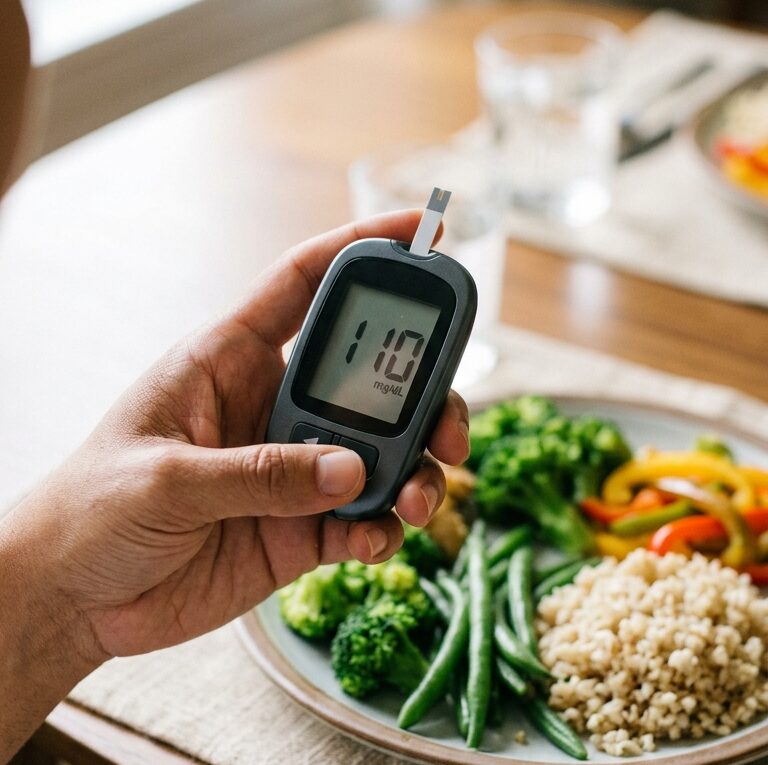
At minimum, monitor fasting glucose each morning (target: under 100 mg/dL), post-meal glucose at 1 hour (target: under 140 mg/dL), and HbA1c every 3–6 months (target: under 5.7%).
Frequently Asked Questions
How quickly can you lower blood sugar naturally?
A 10–15 minute brisk walk can lower blood sugar within 30–60 minutes. Dietary changes typically show measurable improvements in fasting glucose within 2–4 weeks. HbA1c generally improves meaningfully within three months of sustained changes.
What drink lowers blood sugar fast?
Water is the most effective — it dilutes blood glucose and supports kidney excretion. Apple cider vinegar diluted in water has evidence for blunting pre-meal glucose spikes.
Can type 2 diabetes be reversed naturally?
Prediabetes can frequently be reversed entirely. Type 2 diabetes can be put into remission through significant weight loss, dietary change, and consistent physical activity — as demonstrated in the landmark DiRECT trial.
What foods spike blood sugar the most?
White bread, white rice, sugary drinks, candy, and pastries are the fastest spikers. Surprising high-glycemic foods include dates, rice cakes, and most breakfast cereals.
Does stress really raise blood sugar?
Yes — significantly. Stress hormones trigger the liver to dump stored glucose into the bloodstream. In people with insulin resistance, this glucose isn’t cleared efficiently, causing sustained elevation.
Start Where You Are
Pick two strategies — post-meal walking and protein-first eating are the easiest to start — and build from there. Give your body three months of consistent effort. The results most people see in that window make the changes feel permanent rather than temporary.
2 thoughts on “How to Lower Blood Sugar Naturally: 7 Proven Strategies That Work”