

Can You Reverse Prediabetes? Your Step-by-Step Guide to Reclaiming Your Health
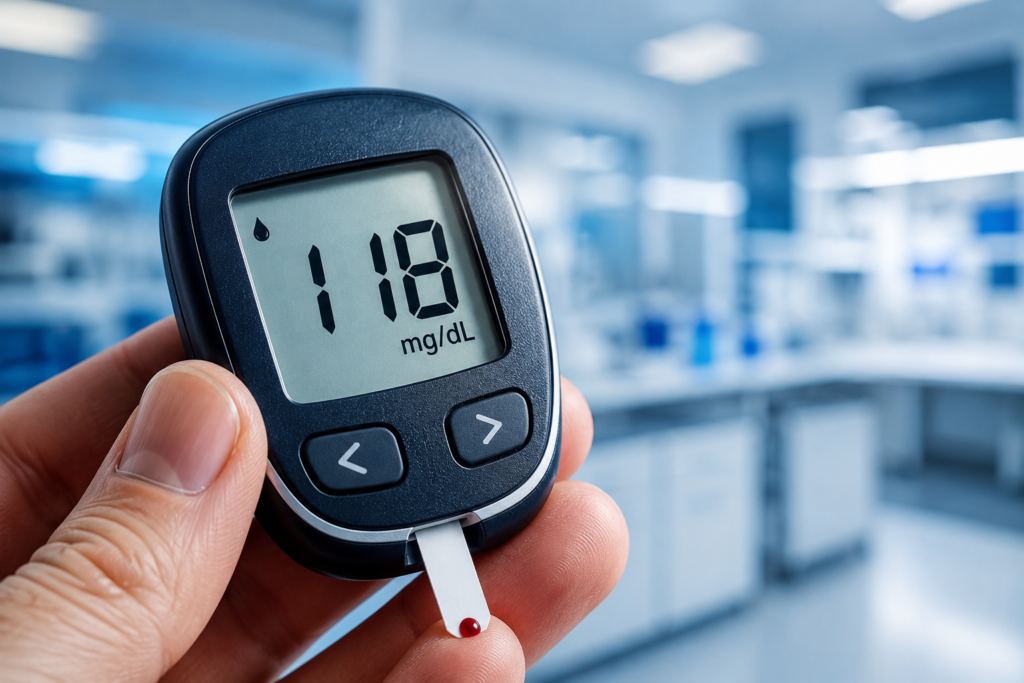
Finding out you have prediabetes can feel like a sudden wake-up call. It’s that uneasy moment when a routine lab test comes back with numbers slightly out of range, and suddenly terms like “insulin resistance” and “Type 2 diabetes” feel a lot closer to home.
But here is the definitive, science-backed truth: Yes, you absolutely can reverse prediabetes.
Unlike Type 2 diabetes, which is a chronic condition that can be managed but is incredibly difficult to fully reverse once deep pancreatic beta-cell dysfunction sets in, prediabetes is a metabolic crossroads. It is a loud, clear warning sign from your body—and it is entirely actionable.
According to data from the Centers for Disease Control and Prevention (CDC), more than 1 in 3 American adults have prediabetes, and a staggering 80% of them don’t even know it.
Medical Disclaimer: The information in this article is for educational purposes only and does not substitute for professional medical advice, diagnosis, or treatment. Always consult your physician or a qualified healthcare provider before making changes to your diet, exercise routine, or supplement regimen.

Knowing the Numbers: Where Do You Stand?i
Prediabetes means your blood glucose (sugar) levels are higher than normal, but not yet high enough to be classified as Type 2 diabetes. Your doctor likely used one of two main tests to identify this:
1. The Fasting Blood Sugar Test
This measures your blood sugar after an overnight fast (not eating for at least 8 hours).
- Normal: Less than 100 mg/dL
- Prediabetes: 100 mg/dL to 125 mg/dL
- Type 2 Diabetes: 126 mg/dL or higher
2. The Hemoglobin A1C Test
This test measures your average blood sugar level over the past 2 to 3 months. It represents the percentage of hemoglobin proteins in your blood that are coated with sugar.
- Normal: Below 5.7%
- Prediabetes: 5.7% to 6.4%
- Type 2 Diabetes: 6.5% or higher
If your A1C is sitting at 6.1%, for example, your body is struggling with insulin resistance—meaning your cells are tuning out insulin, forcing your pancreas to pump out more and more of it just to keep blood sugar stable.

The Proven Blueprint to Reverse Prediabetes
The landmark Diabetes Prevention Program (DPP) study, published by the National Institutes of Health (NIH), revealed that lifestyle interventions reduced the risk of developing Type 2 diabetes by 58% (and 71% for adults over age 60). This was actually more effective than the standard diabetes medication, metformin.
Here is exactly how you can implement those clinical insights into a realistic everyday routine:
1. Target a 5% to 7% Weight Loss Goal
You do not need to reach a “perfect” magazine-cover weight to fix your metabolism. The data shows that losing just 5% to 7% of your body weight can drastically improve insulin sensitivity. If you weigh 200 pounds, that means shedding just 10 to 14 pounds.
Focusing heavily on eliminating visceral fat (the deep fat around your belly organs) takes immense pressure off your liver and pancreas, allowing them to process glucose properly again.
2. Shift to a Complex Carbohydrate Profile
Reversing prediabetes isn’t about starving yourself of all carbs; it’s about shifting from simple to complex carbohydrates.
- Eliminate: Sugary sodas, white bread, processed pastries, and refined cereals. These cause rapid blood glucose spikes.
- Embrace: High-fiber foods like leafy greens, broccoli, quinoa, lentils, and avocados. Fiber slows down digestion, ensuring that glucose enters your bloodstream at a slow, manageable trickle rather than a sudden tidal wave.
If you are navigating metabolic changes later in life, you might want to look into targeted strategies in our comprehensive guide on How to Manage Blood Sugar Naturally After 40.
3. Move for 150 Minutes a Week
Physical activity acts like a natural sponge for blood sugar. When your muscles contract during exercise, they can pull glucose straight out of your bloodstream to use for energy—even if your body is suffering from insulin resistance.
Aim for 30 minutes of moderate-intensity exercise (like brisk walking, swimming, or cycling) five days a week. Adding two days of light resistance training can significantly improve results, because muscle tissue is the primary storage site for circulating glucose.

Can Supplements Help Accelerate the Process?
While a healthy diet and consistent exercise are non-negotiable cornerstones, many people look to natural supplements to help optimize their insulin response and protect their fasting glucose levels.
Nutrients like chromium, berberine, and cinnamon bark have been heavily researched for their ability to support cellular pathways. If you are exploring supplemental aids to complement your daily health habits, evaluating well-known market options is a smart step:
- For an exhaustive analysis of a leading 2026 formula, check out our full Gluco6 Review 2026: Does This Blood Sugar Supplement Actually Work?.
- To understand how specific natural compounds interface with your cells, dive into our breakdown of the Gluco6 Ingredients: A Deep Dive Into What Makes This Formula Different?.
- If you are trying to choose between two of the most discussed formulas on the market, look over our head-to-head comparison: Gluco6 vs Sugar Defender: Which One Actually Works?.
Action Plan: Your Next Steps
Reversing prediabetes doesn’t happen overnight, but your body responds incredibly quickly to positive changes. Treat this process like a series of small, sustainable habits rather than a restrictive, short-term emergency protocol.
1.Get your baseline:Week 1.
Review your latest lab panel with your doctor. Know your exact starting A1C or fasting blood sugar number so you can track real progress.
2.Audit your plate:Weeks 2-3.
Don’t change everything at once. Start by replacing sugary drinks with water or herbal tea, and ensure half of your lunch and dinner plates are filled with non-starchy vegetables.
3.Build a walking habit:Weeks 4-5.
Incorporate a 10-to-15-minute walk immediately after your largest meal of the day. Post-meal walking is exceptionally effective at blunting postprandial (after-eating) blood sugar spikes.
4.Retest and re-evaluate:Month 3.
Because red blood cells live for about 3 months, schedule a follow-up A1C test at the 90-day mark to see your real-world metabolic improvements.
By remaining consistent with these daily adjustments, you can successfully steer your body away from chronic metabolic conditions and move your blood sugar back into the healthy, normal range.