

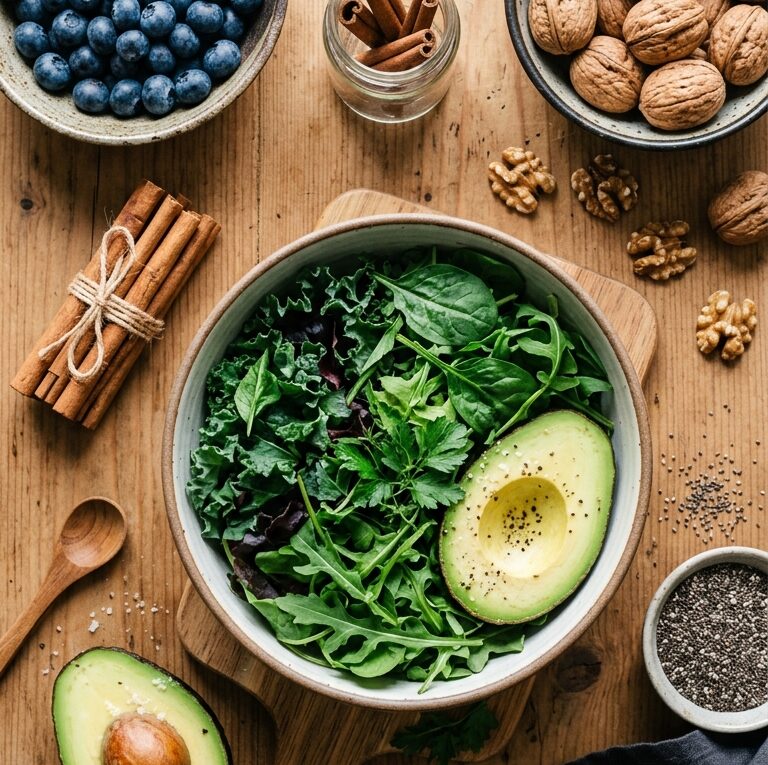
The Best Foods to Eat (and Avoid) for Healthy Blood Sugar Levels
If you’ve been diagnosed with prediabetes — or you simply want to stop the blood sugar rollercoaster — the most powerful tool available isn’t a pill. It’s your plate. The foods for blood sugar control you choose every day have a more immediate impact on your glucose levels than most supplements ever will.
But nutrition advice around blood sugar is full of contradictions. One source says cut all carbs. Another says whole grains are fine. A third insists fruit is pure sugar. No wonder people end up overwhelmed and falling back on whatever’s easiest.
This guide cuts through the noise. You’ll see which foods reliably stabilize glucose, which ones cause dangerous spikes, and how to build a practical eating pattern you can actually maintain — backed by research, not trends.
Why Food Affects Blood Sugar So Directly
Every time you eat, your body breaks down carbohydrates into glucose, which enters the bloodstream. The pancreas releases insulin to shuttle that glucose into cells for energy. Problems arise when foods dump glucose into the blood rapidly — insulin has to work overtime, cells become resistant over time, and blood sugar stays chronically elevated.
The goal isn’t to eliminate glucose. It’s to manage the rate at which it enters your bloodstream. That’s where food choices become everything.
The Best Foods for Blood Sugar Control
1. Non-Starchy Vegetables
Leafy greens, broccoli, cauliflower, zucchini, peppers, cucumbers — these are the foundation of a blood-sugar-friendly diet. They’re high in fiber, low in digestible carbs, and rich in magnesium, which plays a direct role in insulin sensitivity. Research in the BMJ found that people who ate more leafy greens had significantly lower risk of developing type 2 diabetes.
2. Legumes (Beans, Lentils, Chickpeas)
Legumes are one of the most underappreciated foods for blood sugar. Their combination of fiber and protein slows digestion, producing a gentle glucose rise instead of a spike. A study in Archives of Internal Medicine found that people with type 2 diabetes who ate legumes regularly saw significant improvements in A1C over three months.
3. Fatty Fish (Salmon, Sardines, Mackerel)
Fatty fish won’t directly lower blood sugar, but they reduce inflammation — a key driver of insulin resistance. Omega-3s support insulin sensitivity and protect blood vessels from glucose-related damage. Aim for at least two servings per week.
4. Whole Grains (in Moderation)
Not all grains are equal. White bread and white rice digest quickly and spike glucose. Steel-cut oats, quinoa, and barley digest slowly, and the beta-glucan fiber in oats has been shown to reduce post-meal blood sugar spikes. The glycemic index of steel-cut oats is roughly half that of instant oatmeal.
5. Nuts and Seeds
Almonds, walnuts, chia seeds, and flaxseeds are rich in healthy fats, fiber, and protein. Eating a handful of nuts before a carb-heavy meal has been shown to reduce that meal’s blood sugar response. Regular nut consumption is also associated with lower A1C over time.
6. Apple Cider Vinegar
One to two tablespoons of apple cider vinegar in water before a meal slows gastric emptying, meaning carbs enter the bloodstream more gradually. Several small studies support this effect. It’s not a cure, but it’s a simple, low-risk addition to your pre-meal routine.
7. Cinnamon
Ceylon cinnamon contains compounds that appear to improve insulin sensitivity and slow carbohydrate digestion. Sprinkle it on oatmeal or yogurt — it’s a small habit with potential metabolic benefit.
Foods to Limit or Avoid
Refined Carbohydrates and Sugar
White bread, pastries, crackers, and sugary cereals are quickly converted to glucose, causing rapid spikes. They also provide calories with almost no nutritional value — a double loss for blood sugar management.
Sugary Beverages
This is the biggest offender. Soda, fruit juice, energy drinks, and sweetened coffee deliver sugar directly into the bloodstream with almost nothing to slow absorption. A single can of regular soda can raise blood sugar by 20–40 mg/dL within 30 minutes. Even “natural” orange juice has a surprisingly high glycemic load.
Ultra-Processed Snack Foods
Chips, crackers, and packaged snacks are typically high in refined starches, unhealthy fats, and hidden sugar. They also disrupt the gut microbiome, which plays an emerging role in glucose metabolism.
Alcohol in Excess
Moderate alcohol has a neutral or slightly beneficial effect for some people. But heavy drinking impairs the liver’s glucose regulation and can cause dangerous blood sugar swings — especially if you’re on diabetes medication.
How to Build a Blood-Sugar-Friendly Plate
You don’t need a complicated meal plan. Use this simple framework:
- Half your plate: Non-starchy vegetables
- Quarter of your plate: Lean protein (fish, eggs, chicken, legumes)
- Quarter of your plate: Whole grains or starchy vegetables (sweet potato, quinoa, brown rice)
- Add healthy fat: Olive oil, avocado, a small handful of nuts
The most practical rule: never eat carbohydrates alone. Pair every piece of fruit with nut butter. Pair every slice of bread with eggs or avocado. That pairing slows digestion and blunts the glucose spike dramatically.
What About Fruit?
Fruit is one of the most misunderstood topics in blood sugar nutrition. Yes, it contains natural sugar. But whole fruit also contains fiber, water, and polyphenols that slow absorption. Research consistently shows that whole fruit consumption is associated with lower risk of type 2 diabetes — not higher.
Berries (blueberries, strawberries, raspberries) are the best choice: high fiber, low glycemic index, high in antioxidants. Avoid fruit juice and dried fruit, which concentrate sugar without the protective fiber.
Diet vs. Supplements: Getting the Order Right
No supplement can compensate for a diet full of processed foods and sugary drinks. Food comes first — always. That said, certain supplements can reinforce a good diet. Our guide to the best blood sugar support supplements in 2026 covers what the research says about berberine, chromium, and alpha-lipoic acid. And if you’re working on lifestyle habits alongside diet, our article on how to lower blood sugar naturally gives you a complete picture.
Frequently Asked Questions
What foods lower blood sugar quickly?
No food lowers blood sugar rapidly the way insulin does. However, a brisk 10–15 minute walk is the fastest natural way to bring elevated glucose down. Apple cider vinegar before a meal blunts the rise rather than reversing it.
Is rice bad for blood sugar?
White rice has a high glycemic index and causes significant glucose spikes. Brown rice is better but still moderate. Pairing smaller portions of white rice with protein, vegetables, and healthy fat reduces the blood sugar impact substantially.
Is a low-carb diet the only way to manage blood sugar?
No. Low-carb diets are effective, but so are the Mediterranean diet, the DASH diet, and whole-food plant-based diets. What matters most is reducing refined carbs and added sugars — not carbohydrates entirely.
Can eating frequency affect blood sugar?
It depends on the individual. Some people do better with smaller, more frequent meals. Others find that intermittent fasting reduces overall glucose variability. The quality of what you eat consistently matters more than when or how often.
How quickly does diet change blood sugar levels?
Fasting glucose and post-meal spikes can improve within days of dietary changes. A1C, which reflects average glucose over 3 months, takes longer to shift but typically shows measurable improvement within 6–12 weeks of consistent dietary change.
The Bottom Line
Managing blood sugar through food isn’t about deprivation — it’s about smarter choices. Replace refined carbs with fiber-rich whole foods. Cut sugary drinks. Pair carbohydrates with protein and fat at every meal. Load up on vegetables. These aren’t dramatic changes, but they compound into significant metabolic improvements over time.
Start with one swap this week. Maybe it’s replacing your morning juice with water, or adding almonds before lunch. Small consistent changes build the blood sugar stability that no quick fix can provide.
3 thoughts on “The Best Foods to Eat (and Avoid) for Healthy Blood Sugar Levels”